
Most people begin designing their website like they’re decorating a room, instead of focusing on guiding a human. We obsess over fonts, color palettes, and aesthetics before ever asking the most important question—what is someone actually here to do?
It’s important to remember that we are now living in a world where attention spans are shrinking and audiences crave meaningful experiences, so planning is the secret weapon that separates noise from connection. A website isn’t art hanging on a wall. It’s a conversation in motion.
The homepage is the opening line.
The navigation is the tone.
The layout is the pacing.
And every page either invites someone in or pushes them away.
That’s where planning changes everything.
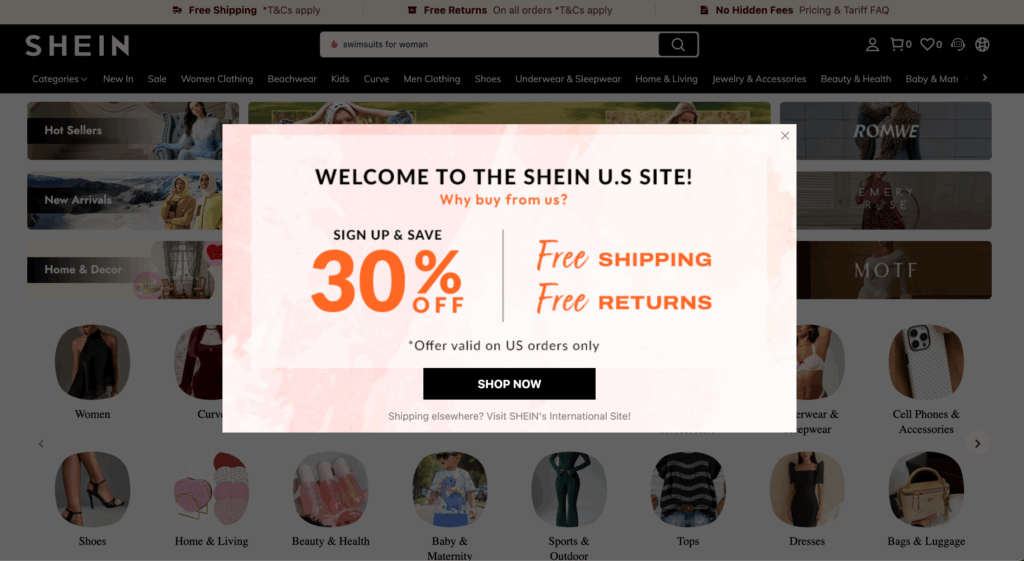
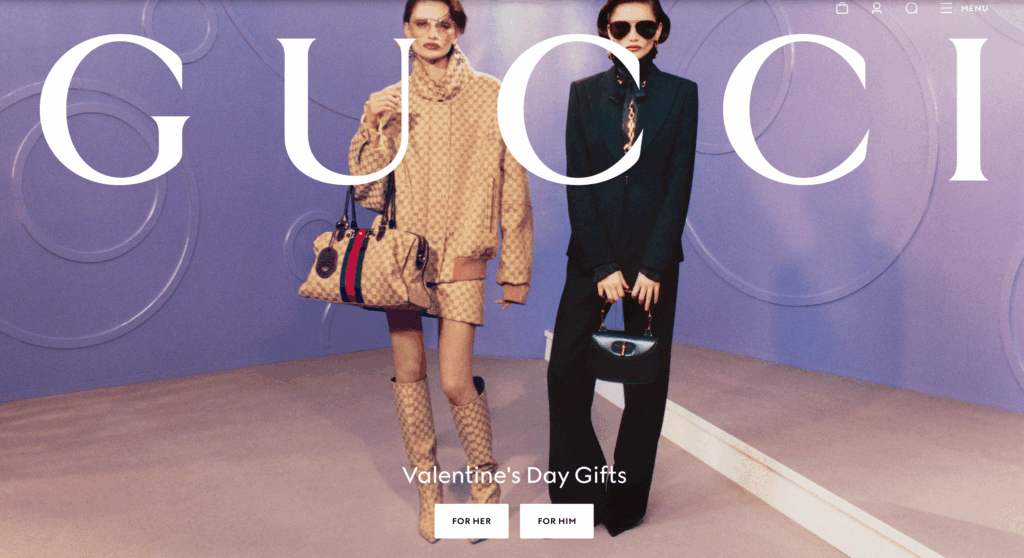
Compare this to a minimalist site (on the bottom) where hierarchy
guides the eye instead of fighting for it.
Why Planning Matters More Than Polish in Digital Design
When you step back and map your site before designing it, you stop thinking like a creator and start thinking like a visitor. Where would I click if I were confused? Where would I scroll if I wanted reassurance? Where would I leave if something felt overwhelming?
Your website doesn’t need more personality, it needs more intention. According toHubSpot’s UX research, even small changes in layout, navigation, and clarity can dramatically increase engagement and reduce drop-off because users subconsciously reward sites that feel easy and intuitive.
Wireframes, site architecture, and intentional layouts don’t limit creativity. They protect it. When your design, navigation, and content strategy are aligned from the start, aesthetic decisions (typography, imagery, tone, page hierarchy) no longer feel arbitrary. Instead, they support a clear marketing narrative that guides users effortlessly through your site’s cultural and strategic insights.
The more I studied how users behave online, the more I realized that good websites don’t shout. They guide, remove friction, anticipate hesitation, and create confidence without asking for attention.
That’s what separates a beautiful website from an effective one. When a website feels intentional, users trust it, even if they can’t explain why. Because in marketing, clarity is credibility.