
Douglas Holt’s idea of crowdculture in Branding in the Age of Social Media isn’t a new concept, brands just finally started noticing. Culture has always come from its people, their neighborhoods and communities, their experiences, and their stories. Social media didn’t create crowdculture. It just exposed it.
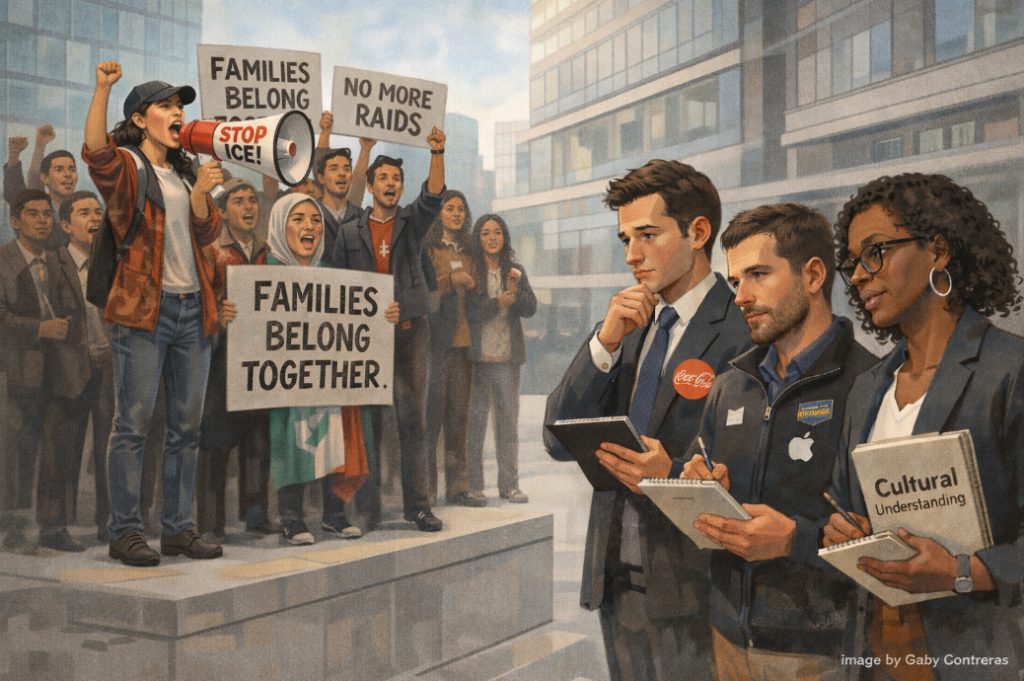
Holt explains that culture forms through both subcultures and creative art worlds rather than corporations. These groups move faster, feel more authentic, and don’t need brand permission to exist. That’s why traditional branded content has seen a decline because people rather listen to someone who lives the truth than a company trying to relate to it. This shift is especially relevant in creative industries like fashion, art, and street culture, where identity and belief are at the center.
A Miami Example That Actually Gets It: Goochsoup
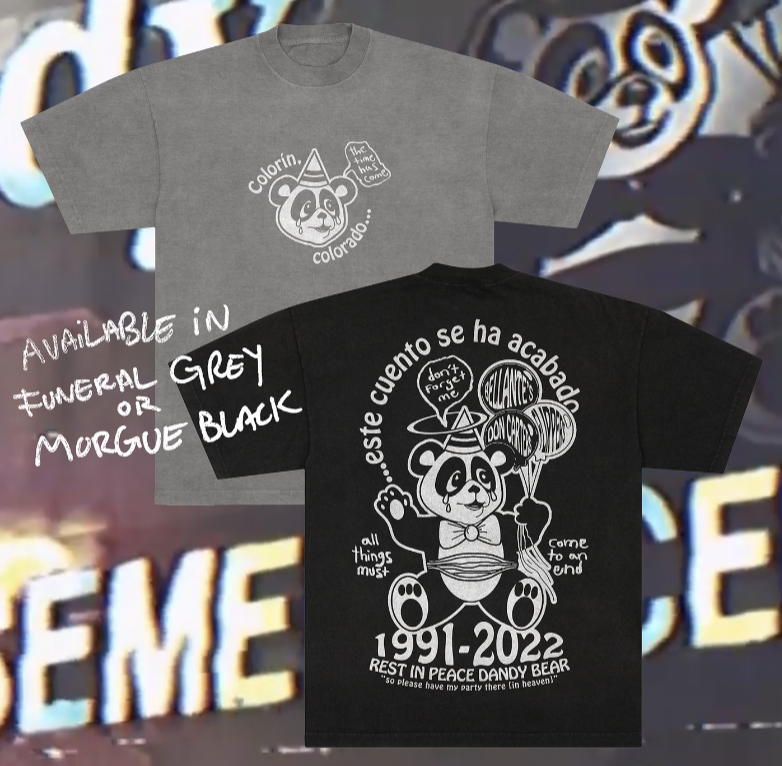
The strongest brands don’t invent culture, they protect it. I’m highlighting a strong example of this: Goochsoup, a Miami-based artist and brand built around memory, community, and belief. Rather than chasing trends or virality, he positions himself as what he calls a memory collector, documenting the Kendall community through archival graphics and T-shirts that feel personal, specific, and nostalgic.
Through his work (and his platform), he amplifies not just his own beliefs, but the beliefs of his audience, especially around immigration, displacement, and the impact of ICE deportations on local families. His brand doesn’t speak at the community, but instead it speaks with it.
Why This Works (Even Without Chasing Money)
What makes Goochsoup effective isn’t a content calendar or a monetization strategy. It’s a genuine identity. The messaging feels organic because it is organic. The brand exists as an extension of real values, not a performance of them. People support it because they are able to see their own reflection in it, see their neighborhoods, their fears, their pride, their memories.
And that’s what makes it good marketing.
The Real Takeaway for Marketers
Always remember that crowdculture is about recognizing that these voices already exist, and you should protect it if that is your value at its core. Local artists often understand this better than global brands because they don’t separate belief from branding. And in a time when audiences are quick to call out performative messaging, honesty is what builds loyalty.