
Brand growth is often seen as a sign of success, new audiences, new opportunities, and expanded visibility. But growth can also challenge what made a brand resonate in the first place. As brands evolve through new initiatives, campaigns, and market expansion, maintaining a clear and authentic identity becomes increasingly complex. To explore how brands can grow without losing what makes them distinct, I asked six professionals across fashion, branding, hospitality, and marketing to share their perspectives.
Expert Insight #1 – Founder Perspective

Founder, Kiki the Brand
“It depends on aesthetic alignment. If I can’t imagine it in a campaign or on our Instagram page, it’s probably a no, because I need it to feel believable and cohesive. Then there’s emotional alignment — where I can present a piece or concept without having to explain it. If I have to justify or over-explain a project, it feels a little off.
It also depends on material and quality values. Everything with KIKI is handmade, so I try to be as intentional as possible with fabrics and production. If something feels rushed, mass-produced, or disposable, I wouldn’t want to attach my name to it.
Lastly, there’s longevity. I want to build a world and tell a story, so if I can’t imagine the concept long term, it’s probably a no. I always ask myself, ‘Is this something I’m just hyper-fixated on right now, or is it something I can imagine years from now?’ Ultimately, my decision-making comes down to intuition. If I can feel it and it feels good, then it’s automatically a yes.”
Expert Insight #2 – Art / Hospitality Perspective

CMO & Head of Development, Sofar & Facade Foundation/Lore Bathing Club
“On first glance, the main thing that comes to mind is that the initial concept has to be creative and genuinely unique. With Lore, we had a very specific thesis we were trying to prove. It was scary because we did not know if people would actually be willing to pay $200 a month for sauna and cold plunge. But we believed deeply in the shift toward intentional wellness and ritual based experiences.
Facade was even crazier. We are still figuring out how it scales successfully, but the thesis is clear: transform NYC scaffolding from visual blight into curated public art. It sounds ambitious, and it is, but when the vision is strong, the right brands and sponsors lean in because their values align with what you are building.
In both cases, clarity of thesis was everything. When a company knows at its core what it stands for, the right partnerships become obvious. Just as importantly, when the wrong ones show interest, it becomes much easier to say no. A strong thesis becomes both a magnet and a filter.”
Expert Insight #3 – Culture / Fashion Perspective

Fashion Director, Highsnobiety
“Social Media has made consumers far more fluent in fashion’s internal codes, making them quicker to spot when brand collaborations feel authentic or forced. Collaborations aren’t rejected for being commercial, but for lacking clear intention, relevance, or product logic. When partnerships are driven by meaningful alignment rather than headline value, consumers are far more likely to embrace them.”
Expert Insight #4 – Merchandising / Consumer Behavior Perspective

Assistant Professor, Department of Marketing & Logistics
“Generally speaking, firms should understand their own core competencies and only enter categories in which they can leverage those competencies. But this approach can be limiting, because it narrows the number of categories a firm can enter. Brand partnerships offer a way around this. By teaming up with another brand, a firm can tap into its partner’s strengths and expand into new categories – potentially reaching new customers in the process.”
Expert Insight #5 – Digital / Social Perspective

Marketing & Sales Support Specialist
“A strong brand begins with clarity, knowing exactly what you want to be remembered for before you ever think about expansion. Your pillars act as the foundation, grounding every evolution while leaving room to grow, experiment, and surprise. Especially on social media, tone of voice and perception become the heartbeat of the brand, ensuring that even as you explore new directions, the identity remains unmistakably intact.”
Expert Insight #6 – Strategy / Communication Perspective
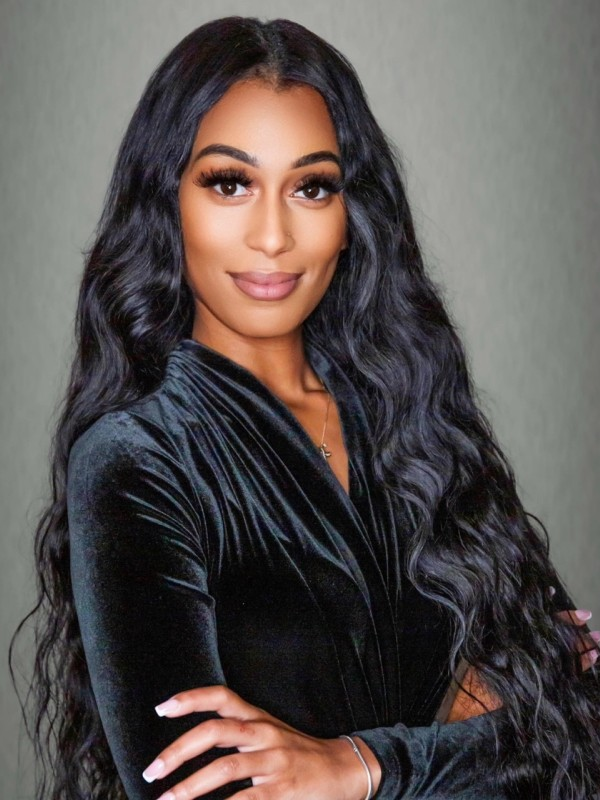
Marketing Manager & Communication
“Brands grow by evolving around a stable core, their purpose, values, and promise remain consistent while execution adapts to new markets, channels, and consumer behaviors. The strongest brands use data and customer insight to guide that evolution, ensuring relevance without chasing trends that dilute identity. Growth succeeds when change is intentional, not reactive.”
Across all of these perspectives, one idea keeps surfacing: growth only works when it’s rooted in clarity. Whether it’s a founder trusting intuition, a hospitality brand leading with a strong thesis, or marketers relying on data and consumer insight, the brands that grow well know who they are before they decide where to go. Authentic growth isn’t about saying yes to every opportunity, instead it’s about having the confidence and discipline to say no when something doesn’t align aesthetically, emotionally, or strategically. When a brand understands its values, audience, and purpose at a core level, evolution becomes less risky and more intentional.
At a time when consumers are more fluent, more skeptical, and more emotionally aware than ever, identity is no longer something brands can afford to treat lightly. The strongest brands grow by expressing their story more clearly across new spaces, products, and experiences, not by solely reinventing themselves. Growth doesn’t come from adding more, it comes from deepening what already exists.